How to Choose the Best Roof Sealants and Coatings for Lasting Protection
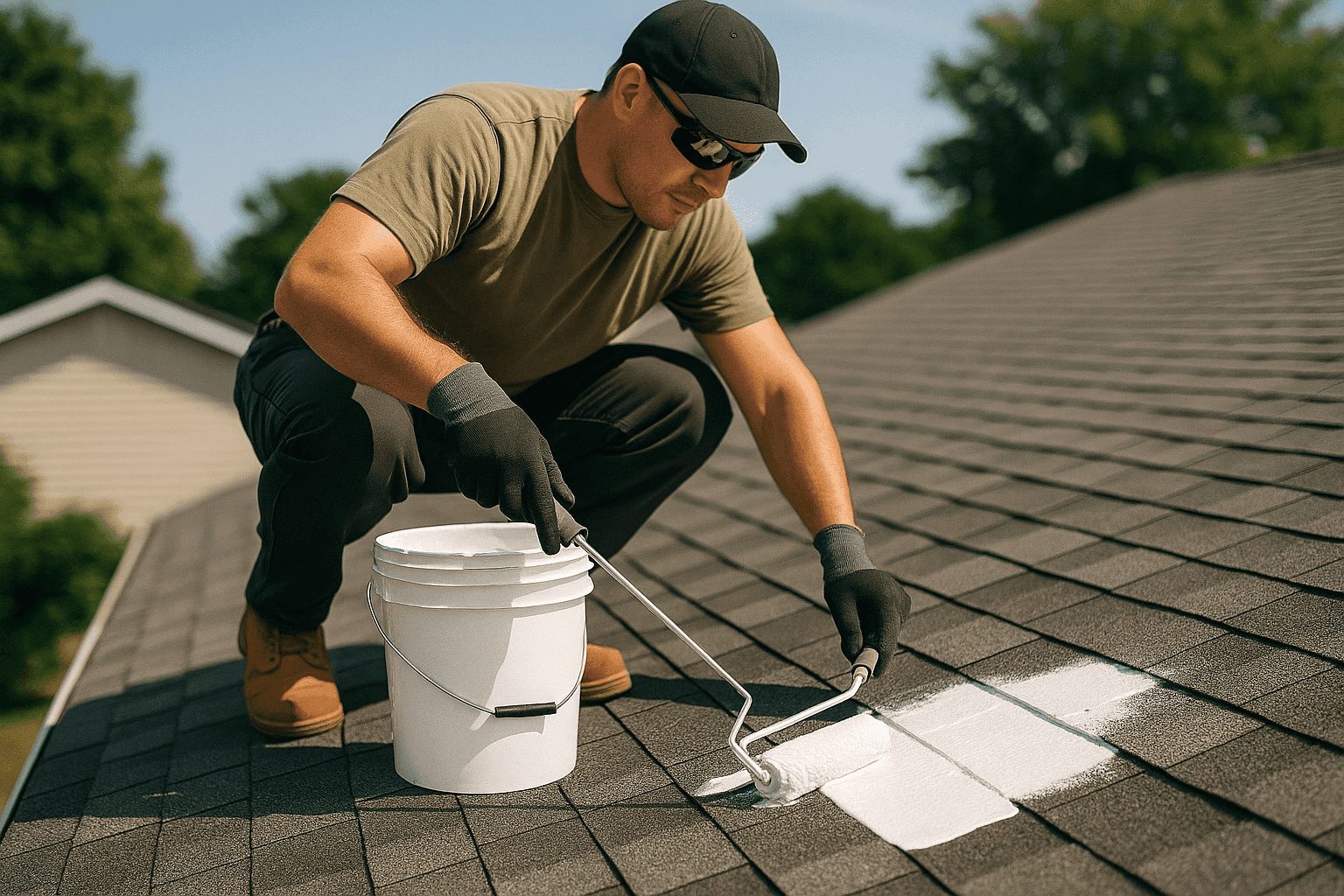
Is your roof ready for the next downpour? Or the scorching sun? Most homeowners and business owners don’t think about their roof until water is dripping on the floor or a storm leaves a trail of damage. That’s when panic sets in—and emergency roofing becomes a lifeline.
At Yeats Roofing, we’ve seen it all. From tiny cracks that grow into gaping leaks to energy bills that skyrocket because of poor insulation. The good news? The right roof sealants and coatings can be your roof’s shield, saving you stress, money, and sleepless nights.
Why Sealants and Coatings Matter for Roof Longevity
Think of your roof as a raincoat for your building. Without the right protection, even the toughest roof can wear down—slowly at first, then all at once. Sealants and coatings are like adding an extra, waterproof layer that blocks out the elements and keeps your roof healthy.
Not only do these products prevent leaks and water damage, but they also reflect heat, reduce energy costs, and extend your roof’s life. The right choice means fewer repairs and a more comfortable space year-round.
Types of Roof Sealants: Which One Fits Your Roof?
Every roof is different. What works for a flat commercial roof might not suit a steep shingle roof at home. Here’s a quick rundown of the most common sealants:
Silicone Sealants
- Great for: Flat roofs, areas with ponding water, skylight and chimney flashing.
- Pros: Highly flexible, UV-resistant, excellent waterproofing.
- Cons: Can be slippery, sometimes pricier than other options.
Acrylic Sealants
- Great for: Sloped roofs, metal roofing, shingle and tile roofs.
- Pros: Easy to apply, good UV protection, cost-effective.
- Cons: Less effective with standing water, may need reapplication sooner.
Polyurethane Sealants
- Great for: Metal roofs, gutters, downspouts, flashing repairs.
- Pros: Tough, sticks well to many surfaces, handles movement and vibration.
- Cons: Can be sensitive to UV light, so topcoating is often needed.
Eco-Friendly Options 🌱
- Great for: Homeowners and businesses wanting to minimize environmental impact.
- Pros: Low-VOC formulas, some made from renewable materials, improved indoor air quality.
- Cons: May have a higher upfront cost, but often pay off in lower energy bills.
How to Evaluate Product Quality and Environmental Impact
Not all sealants are created equal. Here’s how to spot the winners:
- Check Certifications: Look for products that meet ASTM International standards or are ENERGY STAR® rated.
- Read the Label: Avoid products with high levels of volatile organic compounds (VOCs) if indoor air quality matters to you.
- Ask About Durability: Some products last five years, others can protect for a decade or more.
- Consider Reflectivity: White and light-colored coatings reflect heat, keeping your building cooler.
When in doubt, ask for the technical data sheet. It’s not bedtime reading, but it tells you how the product performs under real-world conditions.
Step-by-Step: Proper Application Techniques
A good sealant or coating is only as effective as its application. Here’s how to do it right:
- Inspect the Roof: Look for cracks, loose shingles, rust, and old sealant that’s peeling away.
- Clean the Surface: Remove dirt, leaves, and debris. Power washing helps, but let the roof dry completely before applying anything.
- Repair Damage: Fix leaks, replace damaged shingles or tiles, and patch holes. Don’t seal over trouble spots!
- Choose the Right Weather: Apply sealants and coatings on a dry day, with temperatures between 50°F and 90°F for best results.
- Apply Evenly: Use a brush, roller, or sprayer as recommended. Don’t skimp on coverage—thin spots are weak spots.
- Let It Cure: Most products need 24–48 hours to set. Check the product label for exact curing times.
Following the manufacturer’s instructions is key. The National Roofing Contractors Association (NRCA) offers guidelines that can help you avoid common mistakes.
Seasonal Considerations: Timing Is Everything
Applying sealants in the wrong season is like painting in the rain—messy and ineffective. Here’s what to keep in mind:
- Spring & Fall: Ideal for most applications. Mild temperatures and low humidity help sealants cure properly.
- Summer: Early mornings or late afternoons are best. Avoid midday heat, which can cause bubbling.
- Winter: Not recommended unless using products rated for cold weather. Moisture and frost can ruin your work.
How Sealants Help Prevent Storm Damage
Storms are unpredictable. But a well-sealed roof stands a better chance against heavy rain, hail, or high winds. Sealants act like glue, holding everything together and blocking water from sneaking in at the seams, flashing, or around skylights and chimneys.
After a big storm, inspect your roof for damage. Even the best sealant can’t fix a tree branch through the shingles—but it can keep small cracks from turning into big leaks.
Quick Safety Checklist Before You Start 🛑
- Wear non-slip shoes and gloves.
- Use a sturdy ladder—never stand on the top rung.
- Don’t work on wet or icy roofs.
- Watch for overhead wires.
- Have a spotter if possible.
- Keep sealants and tools out of reach of children and pets.
If you’re unsure, it’s safer to call a professional.
DIY vs. Calling a Pro: What’s Right for You?
Some homeowners love a good weekend project. Others prefer to leave it to the experts. Here’s how to decide:
DIY Might Work If:
- You have a single-story roof with easy access.
- The job is small—like sealing a minor crack or flashing.
- You’re comfortable on ladders and roofs.
Call Yeats Roofing If:
- The roof is steep, high, or slippery.
- There’s widespread damage or leaks.
- You’re not sure which product to use.
- You want peace of mind that it’s done right.
Remember, emergency roofing situations—like active leaks during a storm—are best left to pros who have the right tools and safety gear.
What Pros Do When They Arrive
When Yeats Roofing shows up, here’s what to expect:
- Thorough Inspection: We check every inch for trouble—shingles, flashing, gutters, skylights, and more.
- Moisture Detection: Using industry tools, we find hidden leaks and water damage.
- Surface Prep: We clean and repair before applying new sealants or coatings.
- Expert Application: Our team uses commercial-grade products and proven techniques for even coverage.
- Quality Check: We make sure the job meets or exceeds industry standards, like those from the NRCA and OSHA safety guidelines.
Prevention & Maintenance: Keep Your Roof Happy
A little upkeep goes a long way. Here’s how to keep your roof in shape:
- Inspect Twice a Year: Spring and fall are best. Look for cracked caulk, missing shingles, or blocked gutters.
- Clean Gutters and Downspouts: Clogged drainage can lead to water pooling and leaks.
- Trim Overhanging Branches: Prevents damage from falling limbs and keeps debris off your roof.
- Reapply Sealants as Needed: Don’t wait for leaks—stay ahead of the game.
Costs & Time Factors: What to Expect
Every roof is unique, so costs and timing can vary. Here’s a ballpark idea:
- Materials: Quality sealants and coatings range from budget-friendly to premium. Eco-friendly options may cost a bit more upfront but can save you money in the long run.
- Labor: DIY saves on labor, but professional application ensures lasting results.
- Time: Small jobs can take a few hours; larger roofs or full coatings may need a couple of days, especially with curing time.
Investing in good sealants now can prevent expensive emergency roofing repairs later.
When It’s an Emergency
If water is pouring in or you spot a major leak during a storm, don’t wait. Emergency roofing services can stop the damage in its tracks. Fast action can mean the difference between a quick fix and major repairs.
While you wait for help:
- Place buckets under leaks.
- Move valuables away from water.
- Don’t climb on a roof during bad weather.
FAQ: Roof Sealants & Coatings
How often should I reapply roof sealants?
Most products last 5–10 years, but harsh weather, sun exposure, and roof type can shorten that. Inspect yearly and reapply as needed.
Can I use the same sealant for all roof types?
No. Silicone works great for flat roofs and ponding water; acrylic is better for sloped, shingled, or metal roofs. Always check compatibility.
Are eco-friendly sealants as durable as traditional ones?
Many are just as tough, especially newer formulas. Look for products with independent durability ratings.
What if I see mold or algae before sealing?
Clean and treat the area first. Sealing over mold traps moisture and can cause bigger problems later.
Special Considerations for Roof Sealants and Coatings
- Flashing and Skylights: These are common leak spots. Use flexible, waterproof sealants designed for metal and glass.
- Decking and Structural Repairs: Fix any wood rot or sagging before sealing. Coatings can’t hide structural issues.
- Chimney Caps and Vents: Choose high-temperature sealants for these areas.
- Flat Roofs: Ponding water demands a sealant rated for constant moisture.
Remember, the right product and application keep your roof strong against whatever nature throws at it.
Call Yeats Roofing now — or reach us anytime at 877-702-1723 .