How to Choose the Right Roof Flashing for Long-Lasting Protection
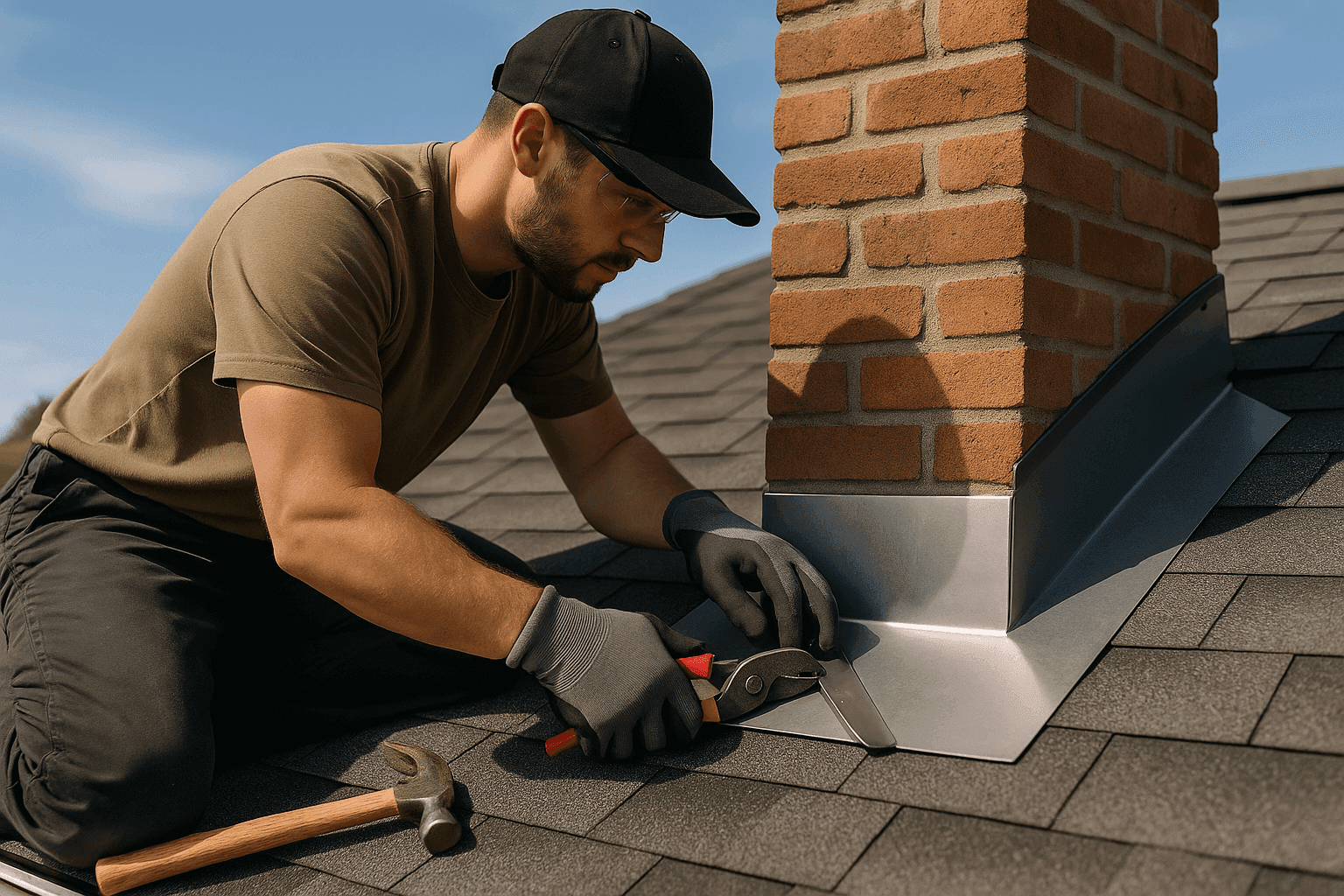
Your roof is the shield above your home or business. But even the toughest armor has weak spots. Flashing is the unsung hero that keeps water from sneaking in and causing chaos.
Leaks never wait for a convenient time. At Yeats Roofing, we know that a little strip of metal or rubber can mean the difference between peace of mind and a midnight emergency roofing call.
Why Roof Flashing Matters
Think of flashing as the raincoat for your roof’s most vulnerable spots—chimneys, skylights, vent pipes, and where roof planes meet. It’s designed to send water running off, not seeping in.
Without solid flashing, water finds its way through the tiniest cracks. Over time, that means mold, rot, ruined insulation, and costly repairs. The National Roofing Contractors Association (NRCA) and the International Building Code both highlight proper flashing as critical for roof durability and safety.
Types of Roof Flashing Materials
Choosing the right flashing starts with knowing your options. Each material has strengths and trade-offs. Here’s what you’ll find most often:
Metal Flashing
- Aluminum: Lightweight, easy to shape, and naturally rust-resistant. Great for most residential roofs. Needs coating if touching concrete or treated wood.
- Galvanized Steel: Tough and affordable, but can rust if scratched. Works well for valleys and chimney flashing.
- Copper: Lasts for decades and looks sharp. It’s pricier, but resists corrosion and forms a watertight seal as it ages.
- Lead: Malleable and long-lasting. Often used around chimneys and in older homes.
Rubber or Synthetic Flashing
- EPDM (rubber): Flexible and easy to install around pipes or irregular shapes. Works well on flat roofs and where movement is expected.
- PVC or TPO: Used on commercial or flat roofs. These plastics resist UV and chemicals, making them durable for certain applications.
Specialty Flashing
- Step Flashing: Layered pieces that tuck under shingles—ideal for where roofs meet walls.
- Continuous (Apron) Flashing: One long piece for low-slope roof edges or dormers.
- Drip Edge: Keeps water from crawling under shingles at the roof’s edge.
How to Choose the Right Flashing for Your Roof
Don’t just grab the first roll you see at the hardware store. Your roof’s type, shape, and the local climate all factor in.
Consider Your Roof Type
- Shingle Roofs: Metal flashing is a classic choice. Step flashing works well for intersections.
- Metal Roofs: Match flashing metal to the roof to avoid corrosion. Use butyl tape or sealant for extra protection.
- Tile Roofs: Flexible flashing or custom metal pieces prevent leaks around curves and gaps.
- Flat Roofs: Rubber or synthetic flashing is often best, especially for commercial or low-slope roofs.
Think About Climate
- Heavy Rain or Snow: Go for thicker metals like copper or galvanized steel. Make sure seams are sealed tight.
- Hot, Sunny Areas: UV-resistant materials like copper or coated aluminum last longer.
- Salt Air or Chemical Exposure: Stainless steel or copper stand up best. Avoid plain steel.
Local Building Codes
Always check your area’s building codes or ask your roofer. Many codes follow International Building Code (IBC) guidelines, which specify minimum flashing thickness and installation methods.
Quick Safety Checklist ✅
Before you climb a ladder or call for help, run through this safety list:
- Inspect from the ground first—binoculars work wonders.
- Never walk on a wet, icy, or steep roof.
- Wear shoes with good grip.
- Use a sturdy, properly placed ladder.
- Watch for loose shingles or soft spots.
- If you see exposed nails, rust, or gaps, it’s time for a closer look.
DIY vs. Call a Pro
Some small flashing fixes might look doable. But like patching a hole in a dam, one wrong move can make things worse.
DIY is okay for:
- Re-caulking small gaps.
- Clearing leaves or debris from flashing edges.
Call a professional if:
- Flashing is rusted, missing, or bent.
- You see water stains inside.
- The roof is steep, high, or hard to access.
- You’re unsure about building code requirements.
Certified roofers use specialized tools, follow safety rules, and know how to spot hidden issues. It’s not just about stopping leaks—it’s about protecting your entire structure.
What Pros Do On Arrival
When Yeats Roofing arrives, here’s what you can expect:
- Full Inspection: We check all flashing points—chimneys, valleys, skylights, vents, and roof edges.
- Material Match: We select flashing that suits your roof’s material and style.
- Removal of Old/Failed Flashing: Damaged sections are carefully removed to avoid harming surrounding shingles or tiles.
- Proper Installation: Flashing is layered and sealed according to NRCA and manufacturer guidelines.
- Final Seal and Test: We check for watertightness and make sure everything’s up to code.
Prevention & Maintenance
A little attention each season can save you from a big, messy emergency roofing call.
Maintenance Checklist
- Inspect after major storms: Look for lifted or bent flashing.
- Clean gutters and downspouts: Clogged drains can force water under flashing.
- Check caulking and sealant: Replace if cracked or missing.
- Look for rust or corrosion: Especially on steel or aluminum.
- Clear debris: Leaves and branches trap moisture.
- Schedule annual inspections: Pros can spot early warning signs.
Seasonal Tips
- Before storm season: Book a professional inspection. High winds and heavy rain test every seam.
- After snow melts: Look for signs of ice damming or water stains.
- In dry months: Touch up sealants and check for UV damage.
Costs & Time Factors
No two roofs are the same, so costs and timelines vary. Here’s what influences the price and duration:
- Material: Copper and stainless steel cost more, but last longer.
- Roof complexity: Steep or high roofs take more time and care.
- Extent of damage: Replacing all flashing is more involved than a small repair.
- Access: Working around chimneys or skylights can add time.
Most flashing repairs take a few hours to a day. Full replacements or complex jobs may take longer.
When It’s an Emergency 🚨
A sudden leak during a storm, water stains spreading across your ceiling, or daylight shining through roof joints—these are red flags.
What to do:
- Move valuables away from the leak.
- Catch dripping water in a bucket.
- Call for emergency roofing help immediately.
Delaying repairs only makes things worse. Water damage spreads fast, and mold can take hold in just a few days.
FAQ: Roof Flashing Essentials
How often should roof flashing be replaced?
Flashing can last as long as your roof, but exposure, storms, and shifting materials can shorten its lifespan. Inspect at least once a year and after major storms.
Can I just seal over old flashing?
Temporary fixes like caulking can buy time, but they’re not a long-term solution. Damaged or rusted flashing should be replaced—not just patched.
What are the signs my flashing needs repair?
Look for water stains inside, visible rust, bent or missing flashing, or debris buildup. If you’re unsure, schedule a professional inspection.
Is flashing required by building codes?
Yes. Most building codes, including those based on the International Building Code (IBC), require flashing at roof intersections, joints, and penetrations.
Special Considerations for Roof Flashing
- Historic or older buildings: May need custom flashing to match original materials.
- Eco-friendly roofs: Use recyclable metals or sustainable sealants.
- Flat roofs and commercial buildings: Often require wider, more robust flashing to handle pooling water.
Always use materials that are compatible with your roof and meet current safety guidelines from organizations like OSHA and the NRCA.
Choosing the right roof flashing is more than a detail—it’s a key defense for your home or business. Whether you’re facing an emergency roofing situation or planning ahead, smart choices now can prevent headaches later.
Call Yeats Roofing now — or reach us anytime at 877-702-1723 .