How to Effectively Maintain Your Roof Flashing to Prevent Leaks
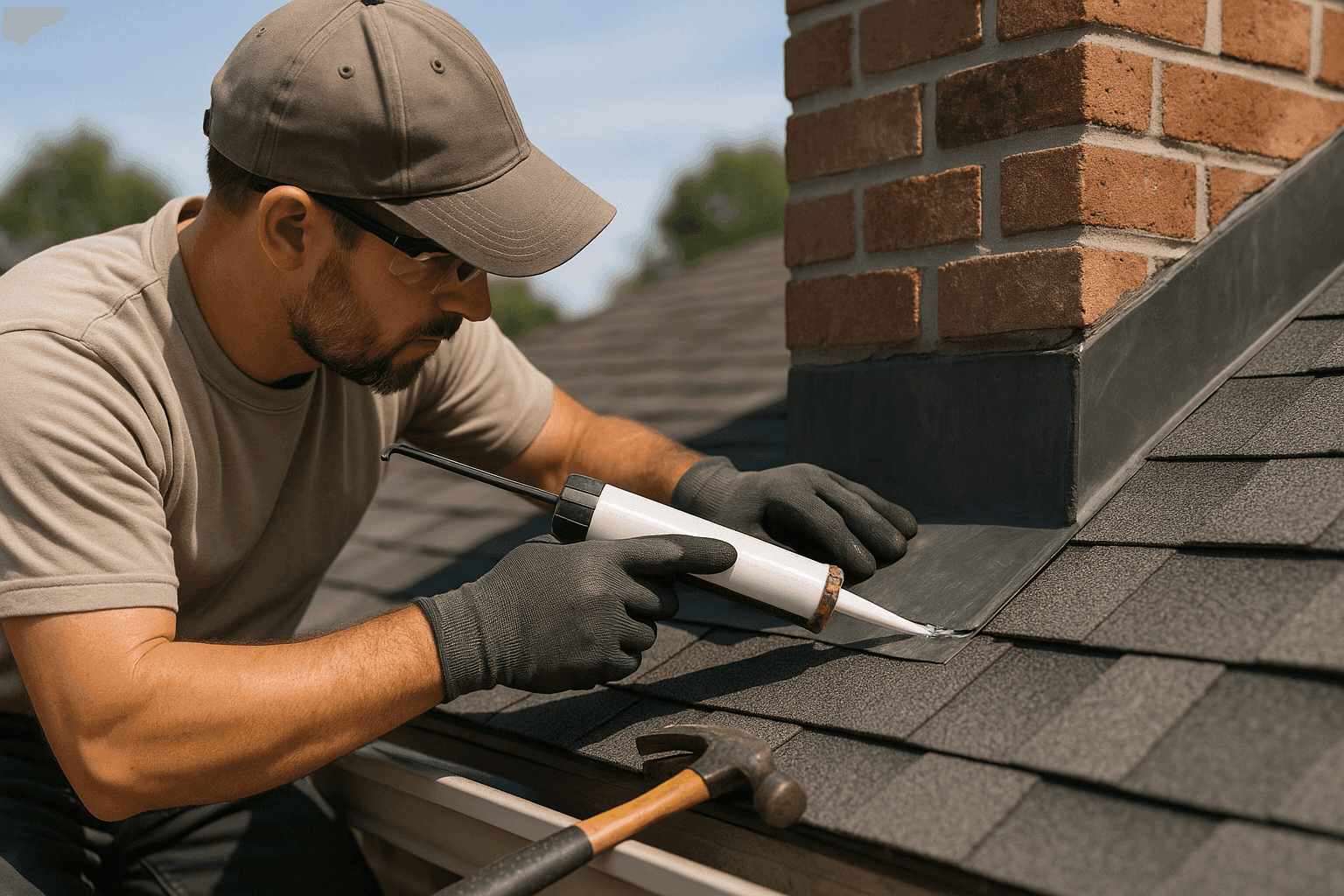
Your roof is more than just shingles and nails. It’s a shield—one you count on to protect everything beneath it, rain or shine. But even the strongest shield can fail if its edges aren’t sealed tight. That’s where roof flashing comes in.
At Yeats Roofing, we’ve seen firsthand how a tiny crack or loose strip of metal can lead to major headaches. Leaks, water stains, and even structural damage often start with neglected flashing. Let’s break down how to keep this unsung hero in top shape—so you can rest easy, no matter the weather.
Why Roof Flashing Is the Unsung Hero of Your Roof
Picture the seams on a raincoat. They keep water from sneaking through the stitches. Roof flashing works the same way. It’s usually thin metal—like aluminum, galvanized steel, or copper—installed where your roof meets things like chimneys, vents, skylights, or walls. These are the spots water loves to find a way in.
Flashing acts as a watertight barrier, guiding rain away from vulnerable areas and down into your gutters. Without it, even the best shingles can’t stop leaks. Over time, flashing can crack, rust, or pull away, especially after storms or with age. That’s when trouble starts.
Quick Safety Checklist Before You Begin 🛑
Before you climb a ladder or grab a flashlight, keep these safety basics in mind:
- Check the weather. Never inspect your roof in rain, snow, or high winds.
- Wear sturdy shoes with good grip to prevent slips.
- Use a stable ladder and have someone nearby if possible.
- Gloves and eye protection help avoid sharp metal edges and debris.
- Stay off steep or high roofs—leave those to professionals.
If you’re ever unsure, it’s safer to call a roofing technician.
DIY vs. Call a Pro: Knowing Your Limits
Some flashing issues are within reach for handy homeowners. Others demand specialized skills and tools.
DIY-friendly tasks:
- Visual inspections from the ground or a ladder.
- Clearing leaves, twigs, or moss around flashing.
- Applying roof-safe sealant to tiny gaps (follow manufacturer instructions).
Call a professional if you notice:
- Large gaps, lifted flashing, or missing sections.
- Rust or corrosion eating through the metal.
- Water stains inside your attic or ceiling.
- Any flashing near steep slopes, skylights, or chimneys.
Remember, a quick fix today can prevent a costly emergency roofing call tomorrow.
What Pros Do On Arrival
When you bring in Yeats Roofing, here’s what our technicians look for and do:
- Thorough visual inspection: We check every inch of flashing for cracks, rust, loose nails, or missing sealant.
- Testing for leaks: Sometimes, we use a hose or moisture meter to spot hidden trouble.
- Cleaning and prepping: All debris and old sealant are removed for a clean repair.
- Repair or replace: Damaged flashing is secured, resealed, or swapped out with new metal that meets building codes (see International Residential Code R903.2.1 for flashing standards).
- Sealant application: We use roof-grade sealants for long-lasting protection.
- Final check: We confirm water is flowing where it should—down the roof, into gutters, and away from your home or business.
Prevention & Maintenance: Your Seasonal Checklist
Staying ahead of leaks is all about regular attention. Here’s what to do, season by season:
Spring and Fall
- Inspect after big storms. Wind and debris can loosen flashing.
- Look for rust, cracks, or gaps. Binoculars help if you can’t get close.
- Clear away leaves, branches, and dirt. Debris holds moisture and speeds up corrosion.
Summer
- Check for dried-out or cracked sealant. Sun and heat can cause old caulking to fail.
- Trim back overhanging branches. Less debris means less risk.
Winter
- Watch for ice dams. Ice buildup along the eaves can force water under flashing.
- Check attic for water stains or mold. These often point to flashing leaks.
Pro tip: Schedule a professional inspection at least once a year, or after severe weather. According to the National Roofing Contractors Association, regular maintenance extends your roof’s lifespan and can prevent expensive repairs.
Costs & Time Factors
Roof flashing maintenance is often quicker and less expensive than fixing a full-blown leak. Here’s what to expect:
- DIY cleaning and minor sealing: Usually takes an hour or two.
- Professional inspection: Typically completed in one visit.
- Repairs: Small fixes may take less than a day; replacing large sections or complex flashing (chimneys, valleys) can take longer.
- Costs: Range widely based on roof type, flashing material, and accessibility—think of it as an investment in your property’s safety.
Neglecting flashing, on the other hand, can lead to water damage, mold, and even structural repairs—costs that add up fast.
When It’s an Emergency
Sometimes, leaks don’t wait for a convenient time. If you notice:
- Water dripping inside during a storm
- Large stains spreading on ceilings or walls
- Sagging drywall or bubbling paint
- Visible daylight through roof seams
Call for emergency roofing help right away. Quick action can stop damage from spreading and save you money in the long run.
FAQ: Roof Flashing Maintenance
How often should I check my roof flashing?
At least twice a year—spring and fall are best. Also inspect after major storms.
Can I use regular caulk to seal flashing?
No. Only use roof-grade sealants designed for outdoor, waterproof applications. Hardware store caulk won’t last.
What are the most common signs of flashing failure?
Look for rust, gaps, lifted or missing metal, dried-out sealant, and water stains inside your home.
Is flashing repair covered by insurance?
It depends on your policy and the cause of the damage. Maintenance issues may not be covered, but storm damage often is. Check with your provider.
Special Considerations for Roof Flashing Care
- Material matters: Aluminum, copper, and galvanized steel each age differently. Know what’s on your roof.
- Older homes: Flashing may be hidden or installed differently. Professional inspection is key.
- Flat roofs: Require special attention—flashing is critical along edges, drains, and skylights.
- Eco-friendly options: Ask about recycled metals or low-VOC sealants if sustainability is a priority.
Taking care of your roof flashing is like keeping the zipper on your raincoat working—small effort, big payoff. Preventative maintenance keeps water out, protects your investment, and gives you peace of mind.
Call Yeats Roofing now — or reach us anytime at 877-702-1723 .