How to Prepare Your Roof for Winter Storms: A Homeowner’s Guide
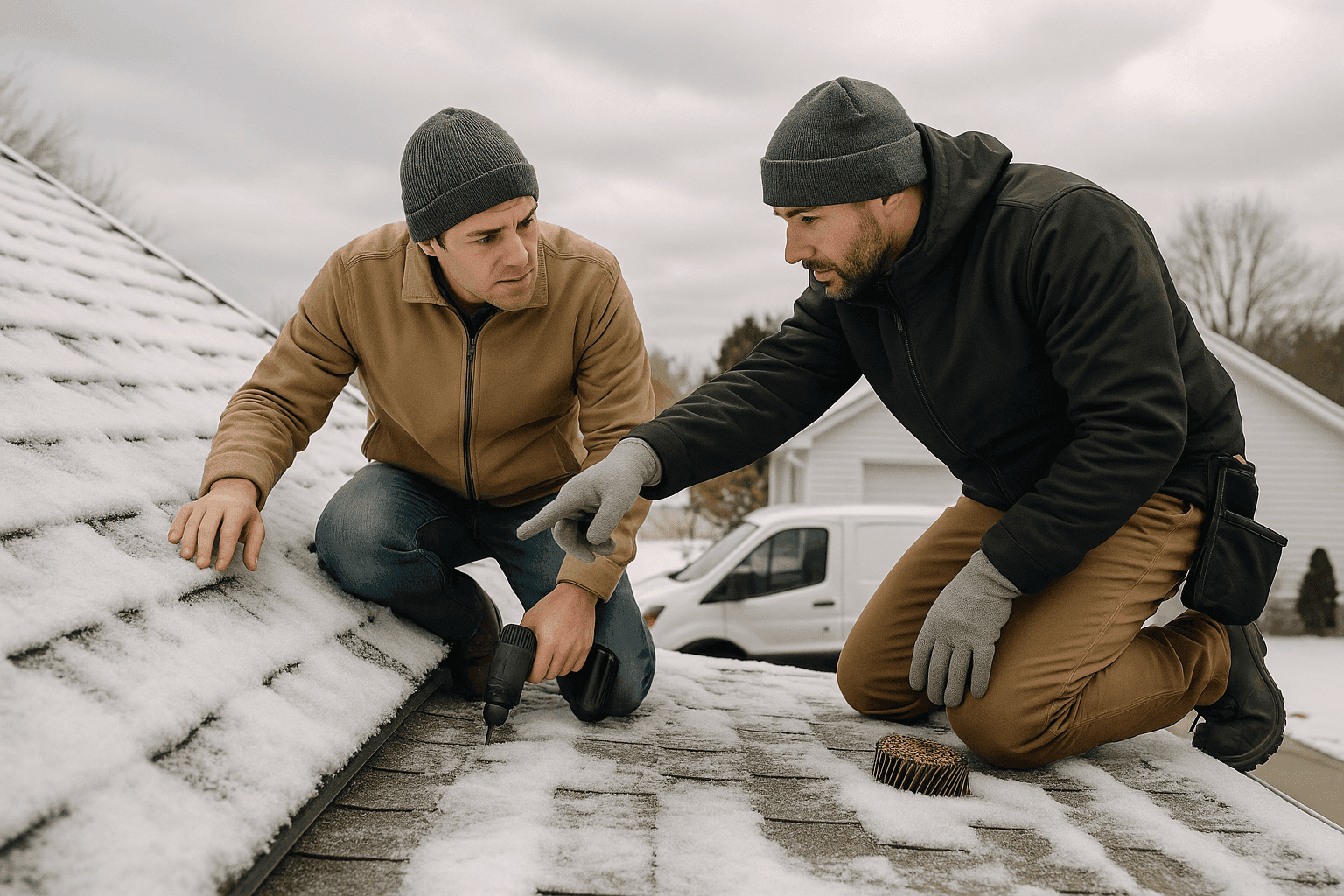
When winter’s chill creeps in, your roof stands as the shield between you and the storm. Snow, ice, and biting winds don’t wait for an invitation. They show up, unannounced, testing every shingle and seam.
At Yeats Roofing, we know what winter can do to a roof. We’ve seen the leaks, the ice dams, the sudden emergencies. That’s why we’re here—day or night—to help you protect your home or business before trouble starts.
Winter Storms: What’s at Stake?
Winter storms can be like an uninvited guest who brings a mess. They dump heavy snow, freeze everything in sight, and whip up winds that rattle even the sturdiest shingles. Here’s what your roof faces each season:
- Ice Dams: When heat escapes from your attic, snow melts and refreezes at the edges, forming ice dams. Water pools behind the dam and can seep under shingles, causing leaks and rot.
- Heavy Snow Load: Snow is heavy—sometimes heavier than you think. Too much weight strains the roof’s structure, risking sagging or even collapse.
- Freeze-Thaw Cycles: Water seeps into tiny cracks, freezes, expands, and makes those cracks bigger. Over time, this can turn a small issue into a big headache.
- Wind Damage: Winter winds can lift shingles, tear off flashing, and expose vulnerable spots, leaving your roof open to water and cold air.
A roof isn’t just a hat for your house. It’s the first line of defense against winter’s worst.
Quick Safety Checklist for Winter Roof Prep 🧤
Before the first snowflake falls, take these steps to safeguard your roof:
- Clear Gutters & Downspouts: Remove leaves, twigs, and debris so melting snow can drain away.
- Inspect Shingles: Look for missing, cracked, or curling shingles. Replace as needed.
- Check Flashing: Inspect around chimneys, skylights, and vents for gaps or rust.
- Sealant & Caulking: Reapply or touch up cracked sealant at vulnerable joints.
- Ventilation & Insulation: Make sure your attic is well-ventilated and insulated to prevent ice dams.
- Trim Overhanging Branches: Keep limbs away from your roof to avoid breakage under snow load.
- Look for Sagging: Any sagging or uneven areas could indicate structural issues.
- Schedule a Professional Inspection: A trained eye can spot problems you might miss.
Taking these steps now is like putting on a winter coat before the blizzard hits.
DIY Roof Prep vs. Calling a Pro
It’s tempting to grab a ladder and tackle things yourself. Some tasks are safe for handy homeowners, but others are best left to experienced roofers—especially when heights and icy surfaces are involved.
DIY:
- Cleaning gutters (from the ground, using safe tools)
- Checking attic insulation and ventilation
- Trimming nearby branches
Call a Pro:
- Inspecting or repairing flashing, sealants, and shingles
- Structural assessments
- Emergency leak repairs
- Ice dam removal
Remember, safety comes first. According to the Occupational Safety and Health Administration (OSHA), falls from roofs are a leading cause of injury. If you’re unsure, it’s time to call Yeats Roofing.
What Pros Do On Arrival
When you call in Yeats Roofing for winter prep or emergency roofing, here’s what you can expect:
- Thorough Inspection: We check shingles, flashing, gutters, and attic spaces for signs of trouble.
- Identify Vulnerable Spots: Weak seams, loose shingles, and compromised sealants are flagged.
- Test Drainage: Gutters and downspouts are checked for blockages and proper flow.
- Ventilation & Insulation Check: We assess attic airflow and insulation, critical for preventing ice dams.
- Detailed Recommendations: You get a clear plan for any needed repairs or upgrades.
- Emergency Response: If there’s immediate risk (like an active leak or sagging), we stabilize the area and schedule repairs right away.
Our team is trained to spot what others miss. We follow safety guidelines from the National Roofing Contractors Association (NRCA) and building codes to keep your property—and our crew—safe.
Prevention & Maintenance: Your Winter Roof Survival Kit
A little prevention goes a long way. Here’s how to keep your roof strong all winter:
Keep Water Moving
- Clean gutters and downspouts before the first snow. Clogged gutters trap water, which can freeze and cause damage.
- Install gutter guards if you have lots of trees nearby.
Optimize Attic Conditions
- Check insulation levels. The U.S. Department of Energy recommends at least R-38 insulation in attics for cold climates.
- Ensure proper ventilation. Good airflow keeps your attic cold, which helps prevent ice dams.
Reinforce Vulnerable Areas
- Inspect and repair flashing around chimneys, skylights, and vent pipes.
- Apply roof coatings or sealants for extra protection against moisture.
Schedule Regular Inspections
- Professional inspections once or twice a year can catch small problems before they become emergencies.
Prepare for Power Outages
- Keep tarps and buckets handy for temporary protection in case of sudden leaks.
- Know how to safely shut off water and electricity if leaks threaten your home’s wiring or structure.
Costs & Time Factors: What to Expect
Roof prep and repairs don’t have to break the bank, but costs can vary widely:
- Basic inspections: Typically take 1–2 hours.
- Gutter cleaning: A few hours, depending on roof size and debris.
- Minor repairs (shingles, flashing, sealant): Usually done in a day.
- Larger repairs or emergency roofing: May take longer, especially if weather delays work.
Materials, labor, and roof complexity all play a role in cost. Investing in prevention now can save you from much bigger bills after a winter storm.
When It’s an Emergency 🚨
Sometimes, winter storms win a round. Here’s how to know when you need emergency roofing:
- Active leaks: Water dripping into your home or business.
- Sagging roof: Indicates structural strain from snow or ice.
- Missing shingles or flashing: Leaves your roof exposed to more damage.
- Sudden drafts or cold spots: May signal a breach in your roof system.
If you see these signs, don’t wait. Emergency roofing is about stopping the damage before it spreads. Temporary patching with tarps or sealants can help, but professional repairs are a must.
Yeats Roofing is available 24/7 for urgent calls. We know that winter emergencies don’t keep office hours.
FAQ: Winter Roof Prep & Emergencies
How do I know if my roof is ready for winter?
Look for missing or damaged shingles, clean gutters, check attic insulation, and have a professional inspection before the season starts.
What should I do if I spot a leak during a storm?
Contain the water with buckets, move valuables away, and call for emergency roofing help immediately. Do not climb on the roof during bad weather.
Can ice dams be prevented?
Yes. Proper attic insulation and ventilation are key. Clear gutters and consider installing ice and water shields in vulnerable areas.
How often should my roof be inspected?
At least once a year, preferably before winter. More often if your area experiences frequent storms or heavy snowfall.
Special Considerations for Winter Roofing
- Flat Roofs: More prone to ponding water and snow buildup. Regular removal may be needed.
- Metal Roofs: Snow slides off easily, but seams and fasteners need regular checks.
- Tile & Shingle Roofs: Fragile when frozen. Avoid walking on the roof in winter.
- Skylights & Chimneys: These are common leak points—inspect flashing and seals closely.
- Eco-Friendly Options: Ask about sustainable sealants and insulation to keep your home efficient and green.
Every roof is different. What works for one may not work for another. That’s why a tailored approach, based on your roof’s material and design, is best.
Winter storms don’t wait. Neither should you. For professional inspections, emergency roofing, or just peace of mind, Yeats Roofing is ready to help—day or night.
Call Yeats Roofing now — or reach us anytime at 877-702-1723 .