Storm Damage Roof Restoration: Steps to Take After Severe Weather Hits
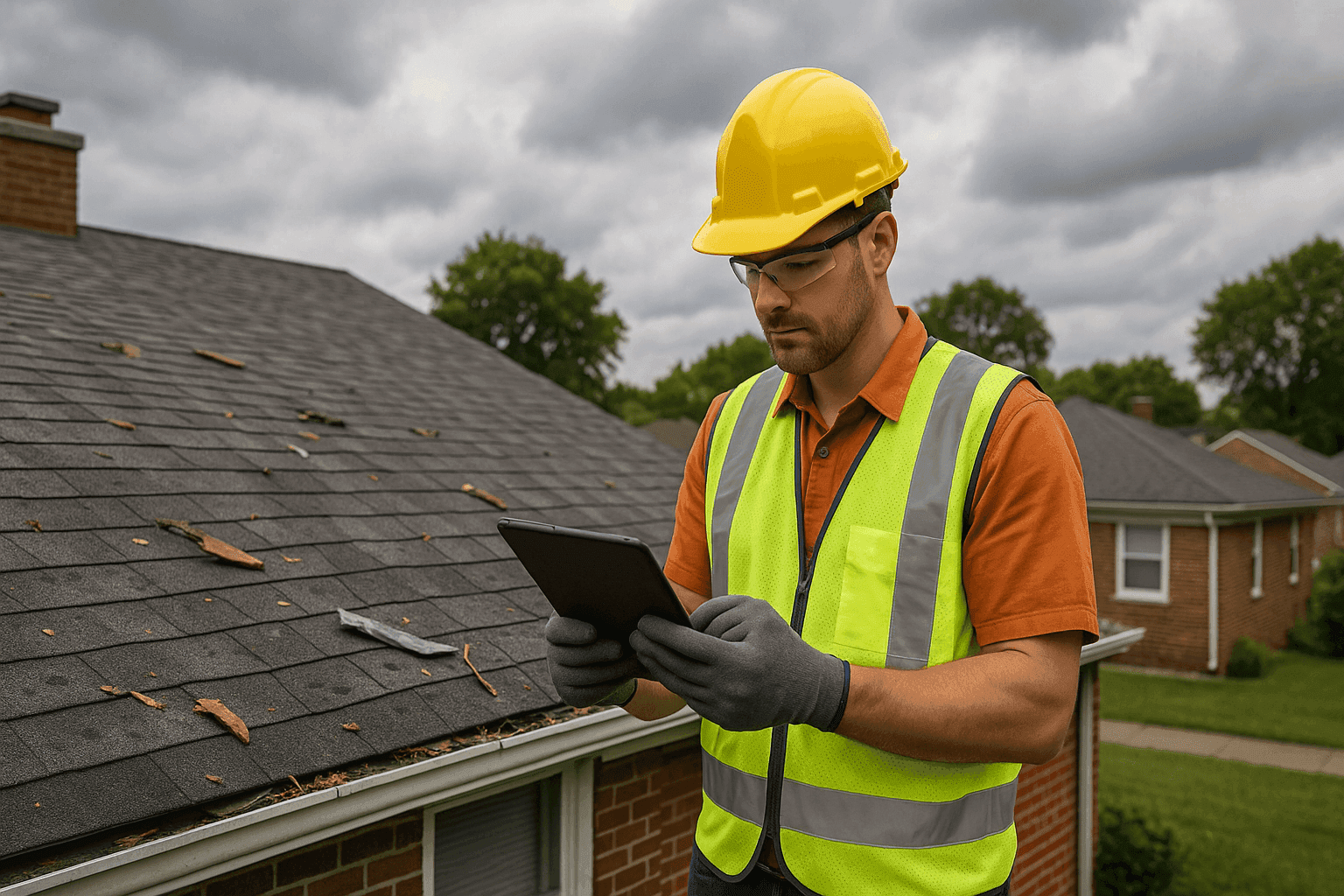
When a storm rips through your neighborhood, everything can change in a heartbeat. Roofs are the first line of defense, and when they’re battered by tornadoes, hurricanes, hail, or heavy ice, the damage isn’t just cosmetic—it threatens your home’s safety and your peace of mind.
At Yeats Roofing, we’ve seen every kind of roof emergency. You need answers fast, and you need clear steps to take—without the runaround. Here’s what to do, in plain language, when storm damage strikes.
Immediate Safety Checks ⚠️
First things first: safety. Before you even think about climbing on the roof or poking at the attic, make sure everyone in your home is safe and accounted for. Storms can hide dangers like loose wires, shattered glass, or unstable structures.
Quick Safety Checklist:
- Stay out of rooms with sagging ceilings or obvious water leaks.
- Never touch downed power lines or metal objects that could be electrified.
- Switch off the main electricity if there’s water in your home.
- If you smell gas, leave immediately and call emergency services.
- Keep children and pets indoors until hazards are checked.
Remember, damage on the roof can sometimes mean hidden problems inside. If you’re unsure, it’s better to wait for a professional inspection than risk a fall or injury.
Assessing and Documenting Damage
Once it’s safe, walk around your home—never on the roof—and look for visible problems. Think of your house like a patient after an accident: what’s bleeding, what’s bruised, what just doesn’t look right?
Look for:
- Missing or cracked shingles, tiles, or metal panels.
- Dented gutters, disconnected downspouts, or torn flashing.
- Piles of granules at gutter ends (a sign of shingle loss).
- Debris on the roof (branches, hailstones, or ice dams).
- Leaks or water stains inside, especially on ceilings and walls.
Document everything. Use your phone or camera to take clear, close-up photos and wide shots. Try to capture the date and time if possible. This isn’t just for your records—insurance companies rely on evidence. Take pictures from several angles and, if possible, record a brief video walkthrough.
Tip: Don’t throw away damaged materials until an adjuster has seen them.
Temporary Repairs
When your roof’s been wounded, it’s like patching up a cut until you can get to the doctor. Quick, temporary fixes can prevent further damage until the pros arrive.
What you can do:
- Tarp over obvious holes using heavy plastic sheeting and nails or duct tape. Secure only if it’s safe.
- Place buckets under leaks to catch dripping water.
- Clear away small branches or debris from walkways—avoid the roof itself.
What not to do:
- Don’t walk on a wet, icy, or unstable roof.
- Don’t use ladders in high wind or poor light.
- Don’t attempt electrical repairs.
If you’re unsure, call a professional emergency roofing team. Many accidents happen when well-meaning homeowners try to “just take a look.” Your safety comes first.
Navigating Insurance Claims 📷
Filing an insurance claim can feel like walking a maze blindfolded. But with solid documentation and a little know-how, you can make the process smoother.
Steps to follow:
- Contact your insurance agent right away. Most policies require prompt notice.
- Share your photos and notes. The more detail, the better.
- Schedule an adjuster visit. Be home if possible to answer questions.
- Get a professional roof inspection from a certified contractor like Yeats Roofing. Sometimes, hidden damage isn’t obvious to the untrained eye.
- Keep all receipts for emergency repairs and temporary lodging, if needed.
Why professional inspection matters:
Insurance adjusters aren’t always roofing specialists. A certified inspection report from Yeats Roofing can help you avoid missed damage and speed up your claim.
Tip: The Insurance Information Institute offers more guidance on storm claims and homeowner’s coverage.
Restoring Your Roof
This is where the real work begins. Restoring a storm-damaged roof isn’t just swapping out a few shingles—it’s about getting your home back to safe, dry, and energy-efficient.
What certified pros do:
- Thorough inspection: Checking every layer, from decking to flashing, for hidden issues.
- Structural repair: Addressing damage to rafters, trusses, or support beams.
- Full replacement or targeted repair: Using materials that match or exceed what you had before.
- Addressing ventilation and insulation: Storms can disrupt airflow and cause mold if not properly restored.
- Clean-up: Removing debris, old materials, and ensuring gutters/downspouts work.
- Final walk-through: Making sure you’re satisfied and the roof is ready for the next storm.
Yeats Roofing uses quality materials for every job—whether it’s tile roofing near you, metal, or shingle. We bring decades of experience and a certified restoration process so you can feel confident in every nail and sealant.
Testimonials from real homeowners:
“After a hailstorm tore up our roof, Yeats Roofing was there the same night. They handled everything with the insurance and fixed it right.”
— Mark H., Homeowner
“I appreciated how careful and respectful the crew was. My new roof looks even better than before the storm.”
— Linda S., Homeowner
Local Storm Risks: Tornadoes, Hurricanes, Hail & Winter
Not all storms are created equal. Your roof faces different threats depending on the season and your region.
- Tornadoes: Uplift forces can tear shingles, tiles, and even entire sections off. Afterward, check for shifted or missing materials.
- Hurricanes: Wind-driven rain and flying debris can punch holes in roofs and gutters.
- Hail: Even small hailstones can bruise shingles, crush tiles, and dent flashing.
- Winter storms: Ice dams cause water to back up under shingles, leading to leaks and mold. Heavy snow can stress old or weakened roofs.
No matter what Mother Nature throws your way, Yeats Roofing has the know-how to restore every kind of roof—flat, metal, tile, or shingle.
DIY vs. Call a Pro
It’s tempting to grab a ladder and fix things yourself. Sometimes, a little patch can tide you over. But roof restoration after severe weather is a different animal.
When DIY makes sense:
- Placing a tarp (from the ground, if possible).
- Mopping up small leaks inside.
- Taking photos for documentation.
When to call a pro:
- Any time there’s structural damage.
- If leaks keep coming back.
- When you see fallen trees, exposed decking, or broken skylights.
- If you’re dealing with insurance—professional reports carry weight.
A professional emergency roofing crew brings more than tools—they bring training, safety gear, and the experience to spot the little things that could become big problems later.
What Pros Do On Arrival
When Yeats Roofing arrives, it’s like having a pit crew for your home.
Here’s what happens:
- Initial safety sweep: Checking for live wires, gas leaks, and unsafe areas.
- Full roof assessment: Exterior and (when safe) attic inspections.
- Detailed documentation: Photos, measurements, and written notes for your claim.
- Temporary protection: Tarping, sealing, or boarding up exposed areas.
- Honest advice: Clear options for repair, replacement, or restoration.
We follow guidelines from the National Roofing Contractors Association (NRCA) and local building codes to make sure every repair is up to standard.
Prevention & Maintenance 🛠️
Storms are unpredictable, but you can stack the odds in your favor with smart prep and maintenance.
Tips to protect your roof:
- Schedule regular inspections—catch small issues before storms hit.
- Keep gutters, downspouts, and valleys clear of debris.
- Trim overhanging branches that could break in high winds.
- After a storm, check for new leaks or stains.
- Replace missing or damaged shingles/tiles promptly.
Preventative maintenance is like brushing your teeth—it keeps bigger problems (and bills) away.
Costs & Time Factors
Every storm is different, and so is every repair. Costs depend on the type of roof (tile, shingle, metal), the extent of damage, and the need for structural or water damage repairs.
What affects cost and repair time:
- Roof size and pitch.
- Type of materials—tile roofing near you may be pricier than asphalt.
- Whether the damage is patchable or needs full replacement.
- Structural issues or mold remediation.
- Insurance processing time.
On average, minor repairs could take a few hours; full restorations may stretch over several days. Your Yeats Roofing crew will always explain what to expect, step by step.
When It’s an Emergency
Some roof problems can wait a day or two. Others can’t.
It’s an emergency if:
- You see active water pouring in.
- There’s visible structural sagging or collapse.
- Electrical systems are exposed or sparking.
- The roof is open to the elements (missing sections, skylights shattered).
Don’t wait. Emergency roofing isn’t just about stopping water—it’s about protecting your home and everyone in it.
FAQ
How soon after a storm should I inspect my roof?
As soon as it’s safe. The earlier you spot damage, the faster repairs can start and the less secondary damage you’ll face.
What if I can’t see any damage from the ground?
Hidden problems are common—especially after hail or high winds. Schedule a professional inspection to be sure.
Will my insurance cover everything?
Coverage varies. Most policies cover storm damage, but not neglect or wear and tear. Documentation is key.
What’s the difference between a repair and a restoration?
A repair fixes what’s broken. Restoration brings your roof back to its pre-storm condition, addressing hidden issues and improving durability.
Local/Seasonal Considerations
Storm frequency and severity change with the seasons. Early spring brings tornadoes and hail. Late summer and fall mean hurricane winds and rain. Winter can dump heavy snow or cause ice buildup.
Pro tip: Schedule a roof inspection before and after peak storm seasons. Addressing loose shingles, weak flashing, or blocked gutters can make all the difference.
Your roof is more than shingles and nails—it’s your family’s shield. When storms hit, you don’t have to face the chaos alone. For true peace of mind and certified restoration, reach out to Yeats Roofing.
Call Yeats Roofing now — or reach us anytime at 877-702-1723 .